Vermont Vacation Guide
Visiting VT Covered Bridge Locations
Vermont is a land of timeless beauty, where the rolling hills, covered forests, and meandering rivers have been complemented by a remarkable collection of covered bridges.
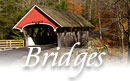 These wooden wonders are more than charming relics; they are vital pieces of Vermont’s history and craftsmanship. Whether it’s your first trip or your fiftieth, discovering Vermont’s covered bridges is like stepping back into a simpler, slower world where craftsmanship and community mattered deeply. Explore some of the most captivating covered bridges across Vermont’s regions.
Vermont Covered Bridges are a unique feature of the Vermont landscape, taking us back to a distant time and place. There are more covered bridges per square mile in Vermont than in any other place in the world.
Vermont Covered Bridges
Southern Vermont Covered Bridges
Silk Bridge — Bennington, VT
Built in the 1840s using Town Lattice trusses, the Silk Bridge crosses the Walloomasac River. Located conveniently off Route 7A, this bridge offers visitors a glimpse into early American bridge engineering.
Paper Mill Village Bridge — Bennington, VT
Also located in Bennington and built in 1889 by Charles F. Sears, this Town Lattice bridge is easily visible from Route 7A. It’s a beautiful example of how functional design meets aesthetic beauty.
Henry Bridge — Bennington, VT
Rebuilt in 1989, this historic site marks where Ethan Allen and the Green Mountain Boys stood their ground against New York authorities, asserting Vermont’s right to self-govern.
Chiselville Bridge — Arlington, VT
Built in 1870 by Daniel Oatman, Chiselville Bridge spans the Roaring Branch. It’s a particularly scenic stop, with a picture-perfect setting in Arlington.

West Mountain Inn, River Road, Arlington, VT 05250 | 802-375-6516
Nestled on a mountainside, the century old, seven gabled West Mountain Inn invites guests to discover its many treasures. Distinctively decorated guest rooms, comfortable common areas, 150 woodland acres with wildflowers, a bird sanctuary, and llamas. Miles of wilderness ski or hiking trails and the Battenkill River provide seasonal outdoor activities. Private dining and meeting rooms, A unique space for celebrations of weddings, birthdays, anniversaries, family reunions, or business meetings.
Visit West Mountain Inn Arlington
Vermont Illustrating LLC. | 802-298-7325
Vermont Illustrating, LLC is a family owned business which has been distributing postcards and souvenirs throughout Vermont & the Adirondack New York regions since 2003. Vermont Illustrating produces the annual Vermont Living Calendar and related products. We offer the best variety of Vermont Souvenirs, Cookbooks, and best selling Vermont Calendar Products. Visit our website to order.
Visit Vermont Illustrating - Order Calendars Online
Creamery Bridge — Brattleboro, VT
Constructed in 1879, this Town Lattice bridge stretches 80 feet across Whetstone Brook and remains a picturesque landmark off Route 9.
Find additional Southern Vermont Covered Bridges
South Central Vermont Covered Bridges
Kingsley Bridge — Clarendon, VT
A 120-foot Town Lattice bridge built in 1970 by Timothy Horton, Kingsley Bridge rests next to a beautifully restored mill, enhancing its historical ambiance.
Brown Bridge — Shrewsbury, VT
Built in 1880 by Nicholas Powers, the Brown Bridge carries travelers across the Cold River, offering a classic covered bridge experience.
Gorham Bridge — Pittsford, VT
Dating to the 1840s, the Gorham Bridge is another striking example of the Town Lattice design. It spans Otter Creek and sits near other historic bridges in the Pittsford area.
Taftsville Bridge — Woodstock, VT
One of Vermont’s oldest surviving covered bridges, built in 1836, Taftsville Bridge combines kingpost, queen-post, and arch designs in its nearly 200-foot length. Its vibrant red exterior is instantly recognizable.
Middle Bridge — Woodstock, VT
A reproduction constructed in 1969, Middle Bridge’s Town Lattice design looks authentically antique. It’s centrally located, making it a must-see when visiting Woodstock.
Find additional South Central Vermont Covered Bridges
Champlain Valley Vermont Covered Bridges
Shelburne Museum Bridge — Shelburne, VT
Originally built in Waterville, VT in 1845, this two-lane Burr Arch design was moved to the Shelburne Museum in 1950-51. It’s a stunning centerpiece among historic displays.
Quinlan Bridge — Charlotte, VT
Constructed between 1849-50, this bridge uses multiple kingposts with burr arches. It remains a fine example of mid-19th-century engineering.
Sequin Bridge — Charlotte, VT
Similar in style and era to the Quinlan Bridge, Sequin Bridge crosses Lewis Creek and offers visitors a quiet rural stop.
Pulp Mill Bridge — Middlebury, VT
Believed to have been constructed between 1808-1820, the Pulp Mill Bridge is Vermont’s oldest covered bridge and one of the oldest surviving in the nation. Its triple-span structure is remarkable.
Halpin Bridge — Middlebury, VT
Built in 1824, Halpin Bridge was completely restored in 1994, maintaining its original Town Lattice design while preserving history for new generations.
Find more Champlain Valley VT Covered Bridges
Stowe and Central Vermont Covered Bridges
Emily’s Bridge (Gold Brook Bridge) — Stowe, VT
Built in 1844, Emily’s Bridge is known for its ghostly tales as much as its striking Howe Truss construction. A must-visit for those who love a little mystery.
Village Bridge — Waitsfield, VT
The Village Bridge dates to 1833, making it Vermont’s second-oldest. With multiple kingposts and a Burr arch, it is one of few with a pedestrian walkway.
Warren Bridge — Warren, VT
Built around 1879-80, Warren Bridge’s asymmetrical queen-post design makes it stand out among Vermont’s many covered bridges.
Moseley Bridge — Northfield, VT
Constructed in 1899 by John Moseley, this charming Kingpost bridge stretches over 36 feet of Stony Brook.
Second Bridge — Northfield, VT
Part of a unique sequence of three covered bridges on Cox Brook Road, Second Bridge offers great photo opportunities lined up with its neighbors.
Find additional North Central Vermont Covered Bridges
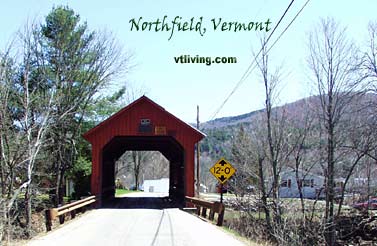
Northeast Kingdom Vermont Covered Bridges
Schoolhouse Bridge — Lyndon, VT
Built in 1879, the Schoolhouse Bridge is a classic Queenpost structure, now off-road, offering peaceful exploration for visitors.
Miller’s Run Bridge — Lyndon, VT
Reconstructed in 1995, this bridge uses the 1878 Queenpost trusses and showcases a lovely local tradition of rebuilding with historical respect.
Randall Bridge — Lyndon, VT
Built in 1867, this 68-foot Queenpost bridge has a more open construction, offering a closer look at its intricate framework.
Greenbanks Hollow Bridge — Danville, VT
Constructed in 1886 over Joe’s Brook, this 74-foot bridge remains one of the most scenic and serene spots in the Northeast Kingdom.
Fisher Bridge — Wolcott, VT
Unique for carrying trains across the Lamoille River, Fisher Bridge, built in 1908, boasts the only surviving full-length cupola in Vermont.
Find additional Northeast Kingdom VT Covered Bridges
Why Visit Vermont’s Covered Bridges?
Covered bridges are more than engineering marvels; they are symbols of Vermont’s enduring spirit and love of tradition. Each bridge has a story — from the battles for independence in Bennington to ghost tales in Stowe, and each quiet river crossing is a portal into the past. The natural settings enhance their beauty: imagine autumn leaves ablaze around an old wooden truss, or a dusting of snow outlining the aged boards.
Visiting covered bridges is a year-round adventure. In summer and fall, the bridges peek from between lush green canopies or vibrant red, yellow, and orange leaves. In winter, the bridges often look like scenes from a holiday card, with snow piled high atop their roofs and icicles dangling from their beams.
Whether you’re a historian, photographer, road tripper, or simply a lover of New England charm, Vermont’s covered bridges offer an unforgettable journey through craftsmanship and community.
Planning Your Vermont Covered Bridge Tour
To make the most of your covered bridge exploration, consider grouping your visits regionally. Many towns, like Northfield and Montgomery, have multiple bridges within a short drive or even walking distance.
Remember to bring your camera, as each bridge has its own unique charm. Look for historical markers, admire the different truss designs, and take the time to enjoy the settings — many bridges are near beautiful rivers, hiking trails, and classic Vermont general stores. Consider doing some fishing, but remember Vermont Fish and Game does patrol, and fishing licence is required.
Also, please respect private property. Some covered bridges, while viewable, are on private land and should be admired from a respectful distance unless otherwise indicated.
Covered bridges are a testament to Vermont’s timeless beauty and ingenuity. From the bustling towns of Bennington and Woodstock to the quiet hollows of Lyndon and Danville, these structures stand strong against the march of time. Each bridge invites visitors not just to cross a river, but to cross into a deeper appreciation for the traditions, resilience, and artistry that define Vermont.
Enjoy your Vermont vacation and Covered Bridges journey, and may it lead you into a world where craftsmanship and nature meet in perfect harmony. Travel safe.
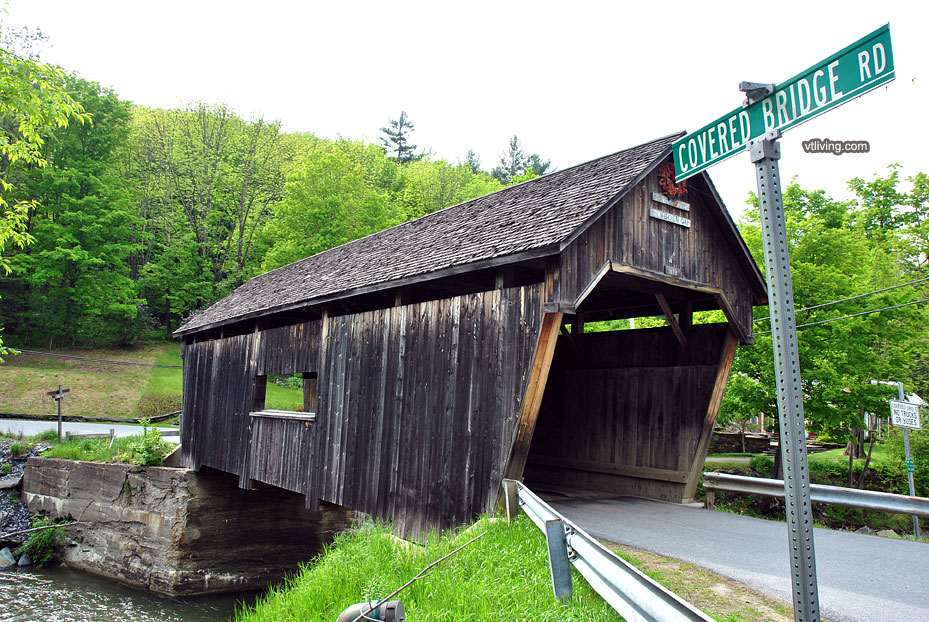
Vermont Covered Bridges Locations by Region
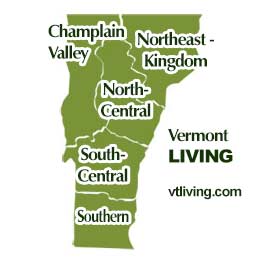
Find Vermont Covered Bridges in every region. Champlain Valley, Northeast Kingdom, North-Central, South-Central and Southern Vermont.
Champlain Valley VT Covered Bridges
Burlington, Middlebury, St. Albans, the Islands of NW Vermont
North Central VT Covered Bridges
Montpelier, Barre, Randolph, Waterbury, Stowe, Mad River Valley
Northeast Kingdom VT Covered Bridges
St. Johnsbury, Newport, Barton, Lyndonville, Burke, Jay, Island Pond
South Central VT Covered Bridges
Rutland, White River Jct., Woodstock, Quechee, Brandon, Killington, Ludlow, Weston, Chester
Southern VT Covered Bridges
Bennington, Brattleboro, Manchester, Arlington, Newfane, Mt. Snow area
SHOP 24/7 at FREE WORLD MALL


Vermont Covered Bridges

- Buy Cool Shirts cares about what YOU wear!
- Stand out in Vermont with this great conversation starter!
- Lightweight, Classic fit, Double-needle sleeve and bottom hem

- Lightweight, Classic fit, Double-needle sleeve and bottom hem

- Vermont Historic Covered Bridges
- New England Covered Bridges
- Lightweight, Classic fit, Double-needle sleeve and bottom hem
VT Lodging Guide | VT Maps
VT Attractions | VT Realty
Vermont Products | Visit VT Towns and Cities | FWM 24/7 Shopping
Country Weddings | New England Recipes | VT Inns
Fitness and Sports Products On Sale Now
Join Amazon Prime - Watch Thousands of Movies & TV Shows Anytime - Start Free Trial Now
Free World Mall
Country Weddings | Vermont Products | New England